Source Hot Dip Galvanized Led Stadium Light for Arenas
Find 30 hot dip galvanized led stadium light options for arenas, highways, and city squares. Compare CREE and Epistar LED chips, IP ratings, and 24-hour after-service support from China-based manufacturers; compare the available evidence and request quotations based on your requirements.
Key considerations
Products List


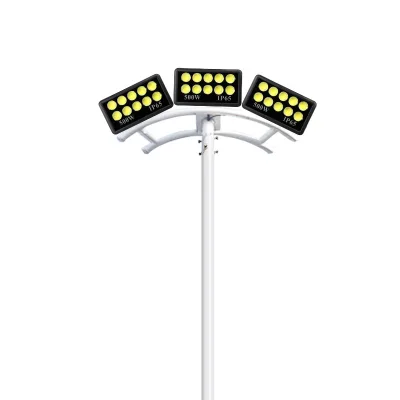


Comprehensive Sourcing Guide
Hot Dip Galvanized Led Stadium Light Sourcing Guide
Procuring high-intensity illumination for large-scale venues requires careful selection of fixtures that balance optical performance with structural resilience. The core keyword highlights a specific intersection of lighting technology and corrosion protection, indicating that buyers are likely targeting outdoor installations where environmental exposure is significant. Stadiums, sports complexes, and industrial yards demand lighting that can withstand high winds, rain, and temperature fluctuations without degrading. This guide focuses on the critical attributes that define a reliable supply chain for these robust fixtures, ensuring that procurement teams can distinguish between standard indoor units and heavy-duty outdoor solutions.
The sourcing process must account for the diverse operational needs of different venue types, from professional sports arenas to public squares and highway stations. Buyers should recognize that "hot dip galvanized" refers to a specific surface treatment process that provides superior rust resistance compared to standard powder coating alone. This distinction is vital for projects located in coastal regions or areas with high humidity, where premature corrosion can lead to costly maintenance and safety hazards. Understanding the material composition and protective layers is the first step in defining accurate technical requirements and avoiding mismatches between supplier capabilities and project demands.
Product Scope and Observed Listing Signals
Market listings for this category reveal a wide spectrum of product configurations, ranging from integrated solar units to high-wattage grid-connected LED street and stadium lights. Observed data indicates a price range from approximately $6.88 to over $7,200, reflecting the vast difference between small auxiliary fixtures and massive, high-output stadium arrays. The minimum order quantity (MOQ) varies significantly, starting from single pieces for customization trials up to 1,000 units for large infrastructure projects. Buyers must navigate this variance by clearly defining their volume requirements early in the inquiry phase to secure appropriate pricing tiers and production slots.
Listing signals also highlight specific technical attributes that are frequently emphasized by suppliers, such as LED chip brands like CREE and Epistar, which are known for reliability and efficiency. Color temperatures are typically offered in pure white or warm white options, with power ratings often falling between 90W and higher industrial levels. Some listings specify projection distances up to 80 meters, which is relevant for medium-sized fields, while others target larger venues with higher mounting heights ranging from 12 to 50 meters. These signals help buyers filter suppliers based on their actual manufacturing capabilities rather than generic marketing claims, ensuring that the selected vendor can meet the specific luminous and structural needs of the project.
Technical Specifications to Verify
When evaluating technical proposals, buyers must verify the lamp body material and the integrity of the surface treatment process. Trusted category knowledge confirms that aluminum is a common material for the lamp body due to its heat dissipation properties, while the structural poles or mounts are often made from Q235, Q345, or stainless steel. The hot dip galvanization process is critical for these structural components, providing a thick zinc coating that protects against corrosion. Buyers should request detailed specifications on the zinc layer thickness and ensure that the powder coating applied over the galvanization meets industry standards for UV resistance and mechanical durability.
Optical and electrical specifications require equally rigorous verification, particularly regarding the LED chips and driver quality. Suppliers may list various models, such as XYD-0620 or HL-072, each with distinct performance characteristics. Buyers should confirm the operating temperature range, which typically spans from -40°C to +60°C, ensuring the fixture can function in extreme climates. Additionally, the IP rating must be verified to guarantee protection against dust and water ingress, which is essential for outdoor stadium environments. Wind speed resistance, with some listings citing capacities up to 160 km/h, is another critical parameter that must be validated against local meteorological data for the installation site.
Compliance and Safety Documentation
Compliance with international and regional safety standards is non-negotiable for stadium lighting projects, which often involve public access and high-voltage electrical systems. Buyers must ensure that suppliers provide valid certification documents, such as CCC, CE, RoHS, and CQC, depending on the target market. These certifications verify that the electrical components, including drivers and LED modules, meet strict safety and environmental requirements. It is crucial to validate the authenticity of these certificates directly with the issuing bodies, as counterfeit documentation is a risk in global procurement. The presence of multiple certifications often indicates a supplier’s commitment to quality and their ability to serve diverse international markets.
Beyond electrical safety, buyers should inquire about the availability of comprehensive after-sales support and technical documentation. Reputable suppliers typically offer 24-hour after-service response times and provide detailed installation instructions and maintenance guides. The inclusion of anchor bolts as an optional accessory suggests that suppliers may offer tailored mounting solutions, but buyers must verify compatibility with their existing structural frameworks. Clear warranty terms and the availability of spare parts, such as replacement LED modules or drivers, are essential for minimizing downtime. Procurement teams should prioritize suppliers who demonstrate a robust support infrastructure, as this reduces long-term operational risks and ensures sustained performance of the lighting installation.
Cost Drivers and Commercial Terms
The total cost of ownership for stadium lighting is influenced by several key factors, including the LED chip brand, power output, and the extent of customization required. High-efficiency chips from brands like CREE or Epistar command a premium but offer better longevity and luminous efficacy, reducing energy costs over time. The surface treatment process, particularly hot dip galvanization, adds to the initial manufacturing cost but significantly extends the service life of the fixture, especially in corrosive environments. Buyers should evaluate these upfront costs against the projected maintenance and replacement expenses to determine the true economic value of each proposal.
Commercial terms, such as MOQ and packaging, also play a significant role in budgeting and logistics planning. While some suppliers offer low MOQs of just one piece for testing, large projects may require bulk orders of up to 1,000 units to achieve economies of scale. Packaging methods, ranging from carton to wooden cases, must be selected based on the fragility of the components and the shipping route to prevent damage during transit. Buyers should negotiate clear terms regarding payment schedules, delivery lead times, and liability for transit damage. Understanding these commercial dynamics allows procurement teams to structure contracts that align with their cash flow and project timelines, ensuring a smooth supply chain execution.
Supplier Qualification and Quality Control
Supplier qualification begins with verifying their manufacturing capabilities and quality control processes. Buyers should assess whether the supplier has in-house production for critical components like LED modules and structural poles, or if they rely on third-party subcontractors. Factories located in regions like Jiangsu or Yangzhou in China are known for their concentration of lighting and steel fabrication industries, but this does not guarantee quality. Procurement teams should request factory audits or third-party inspection reports to verify production standards, material sourcing, and assembly processes. A supplier’s ability to provide customized solutions, as indicated by available customization options, also reflects their engineering flexibility and responsiveness to specific project requirements.
Quality control measures must be explicitly defined in the purchase agreement, including pre-shipment inspections and testing protocols. Buyers should insist on batch testing for key parameters such as lumen output, color temperature consistency, and electrical safety. The inclusion of a product weight specification, such as 3 kg for certain models, helps in verifying the material density and construction quality. Suppliers who offer detailed packing lists and protective packaging, such as carton wooden cases, demonstrate a commitment to product integrity during logistics. Establishing a clear quality assurance framework with defined acceptance criteria and rejection procedures is essential for maintaining the reliability of the lighting installation and protecting the buyer’s investment.
Long-Term Procurement Checks
Long-term procurement success depends on establishing a partnership with suppliers who can support the lifecycle of the lighting infrastructure. Buyers should monitor supplier performance metrics, such as on-time delivery rates, defect rates, and responsiveness to technical queries. Regular reviews of product performance in the field, including any failures or maintenance issues, provide valuable feedback for future procurement decisions. Suppliers who offer ongoing technical support and updates on new technologies, such as more efficient LED chips or smart lighting controls, can help buyers stay ahead of industry advancements. Building a relationship with a reliable supplier ensures access to consistent quality and competitive pricing over the long term.
Additionally, buyers should periodically reassess their technical requirements to align with evolving standards and project needs. As regulations regarding energy efficiency and environmental impact become stricter, suppliers must adapt their product lines accordingly. Procurement teams should verify that their suppliers are compliant with the latest standards and certifications, ensuring that future orders meet current regulatory requirements. Maintaining a diversified supplier base can also mitigate risks associated with supply chain disruptions. By focusing on long-term collaboration and continuous improvement, buyers can secure a stable supply of high-quality stadium lighting that meets both current operational demands and future sustainability goals.
FAQs
What certifications are available for hot dip galvanized led stadium lights?
Available certifications include CCC, CE, RoHS, and CQC. These ensure compliance with international safety and environmental standards. Buyers should verify specific certification requirements for their target market before placing orders to ensure regulatory acceptance and smooth customs clearance.
Can I customize the specifications for hot dip galvanized led stadium lights?
Yes, customization is available for various product attributes. Buyers can request specific models, packaging options, and surface treatments. This flexibility allows for tailored solutions that meet unique project requirements, ensuring the lighting infrastructure aligns perfectly with stadium design and operational needs.
What is the typical operating temperature range for these lights?
The operating temperature range is typically -40 to +60 degrees Celsius. This wide range ensures reliable performance in extreme weather conditions. It makes the lights suitable for diverse climates, from freezing winters to hot summers, without compromising brightness or structural integrity.
Which LED chips brands are used in these stadium lights?
Common LED chip brands include CREE and Epistar. These brands are known for high efficiency and long lifespan. Selecting reputable chip brands ensures consistent light output and energy savings, which are critical for large-scale stadium lighting applications requiring sustained performance over many years.
What surface treatment options are offered for the light poles?
Surface treatment options include hot dip galvanization and powder coating. Hot dip galvanization provides robust corrosion resistance for outdoor durability. Powder coating adds an extra layer of protection and aesthetic finish. These treatments extend the lifespan of the lighting infrastructure in harsh environments.
What is the minimum order quantity for these stadium lights?
The minimum order quantity can be as low as 1 piece. This low MOQ allows buyers to test samples or order small batches. It reduces initial investment risk and provides flexibility for projects with varying scale requirements, making it easier to source specific quantities.